Occupational Hazards &
Cognitive Load
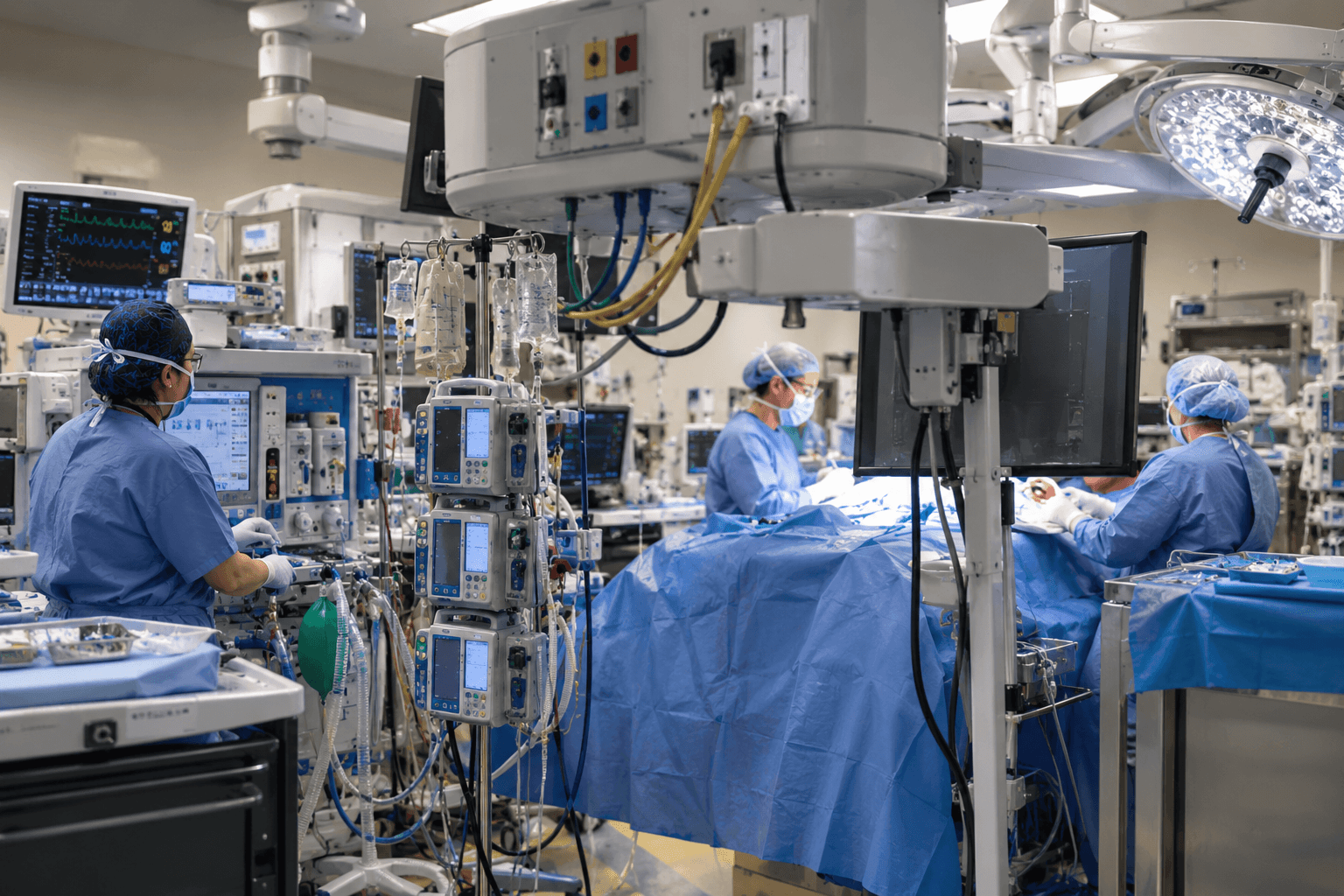
Some hazards are built into the anesthesia workflow itself. Positioning, shielding, alarms and overhead equipment each carry a recurring risk that setup discipline can reduce - but never fully design away.
3 problems | 15 field photos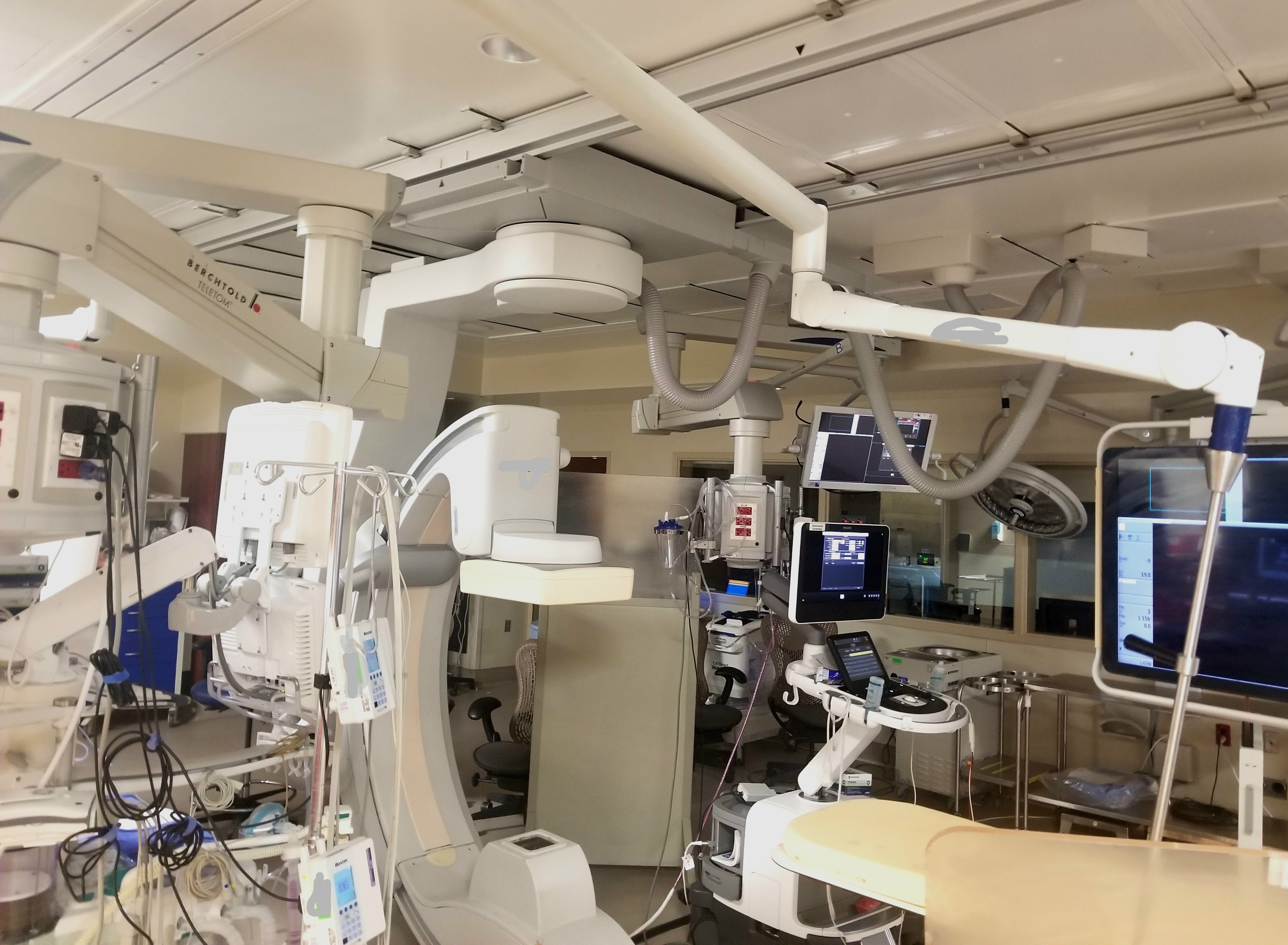
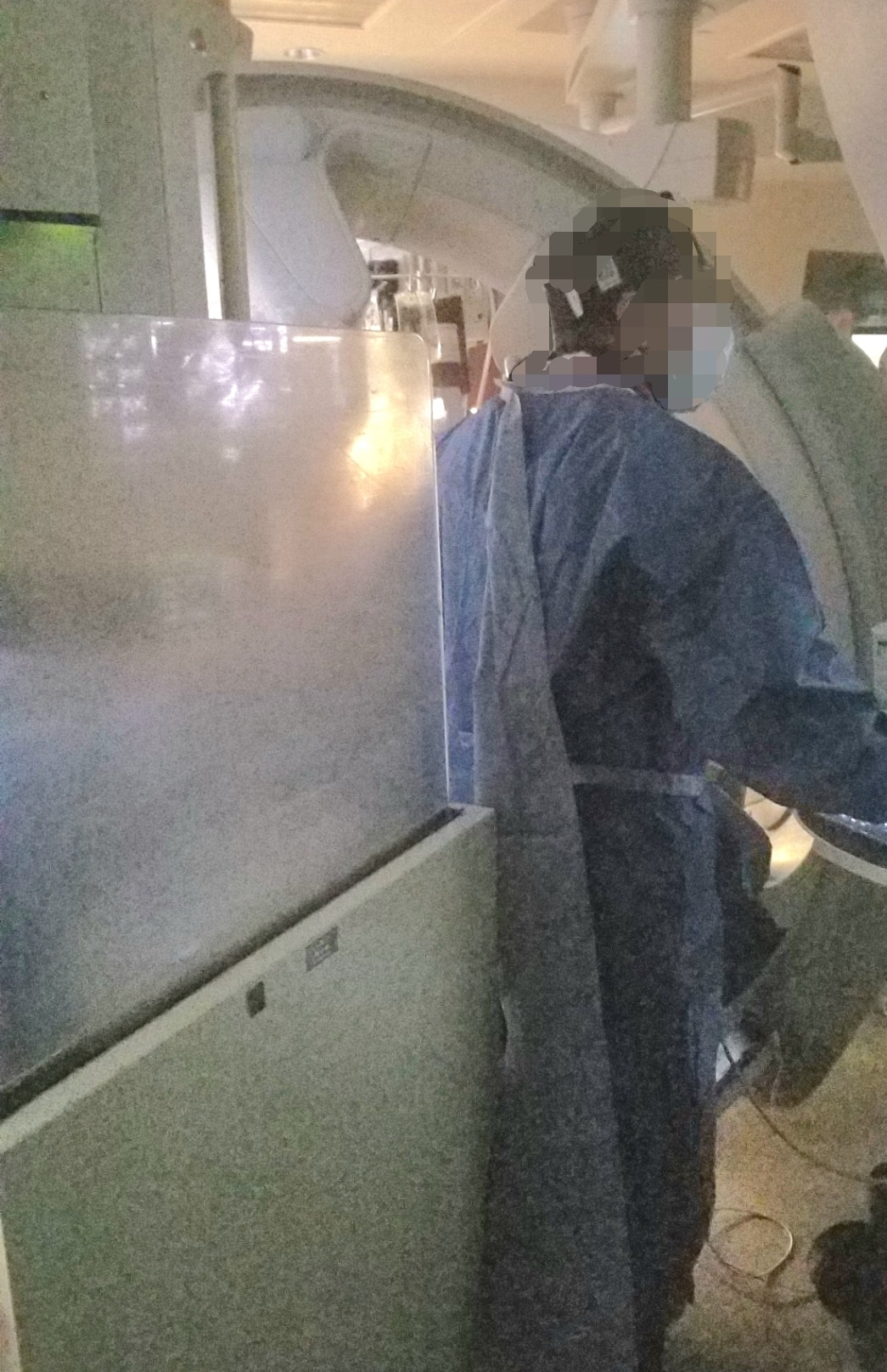
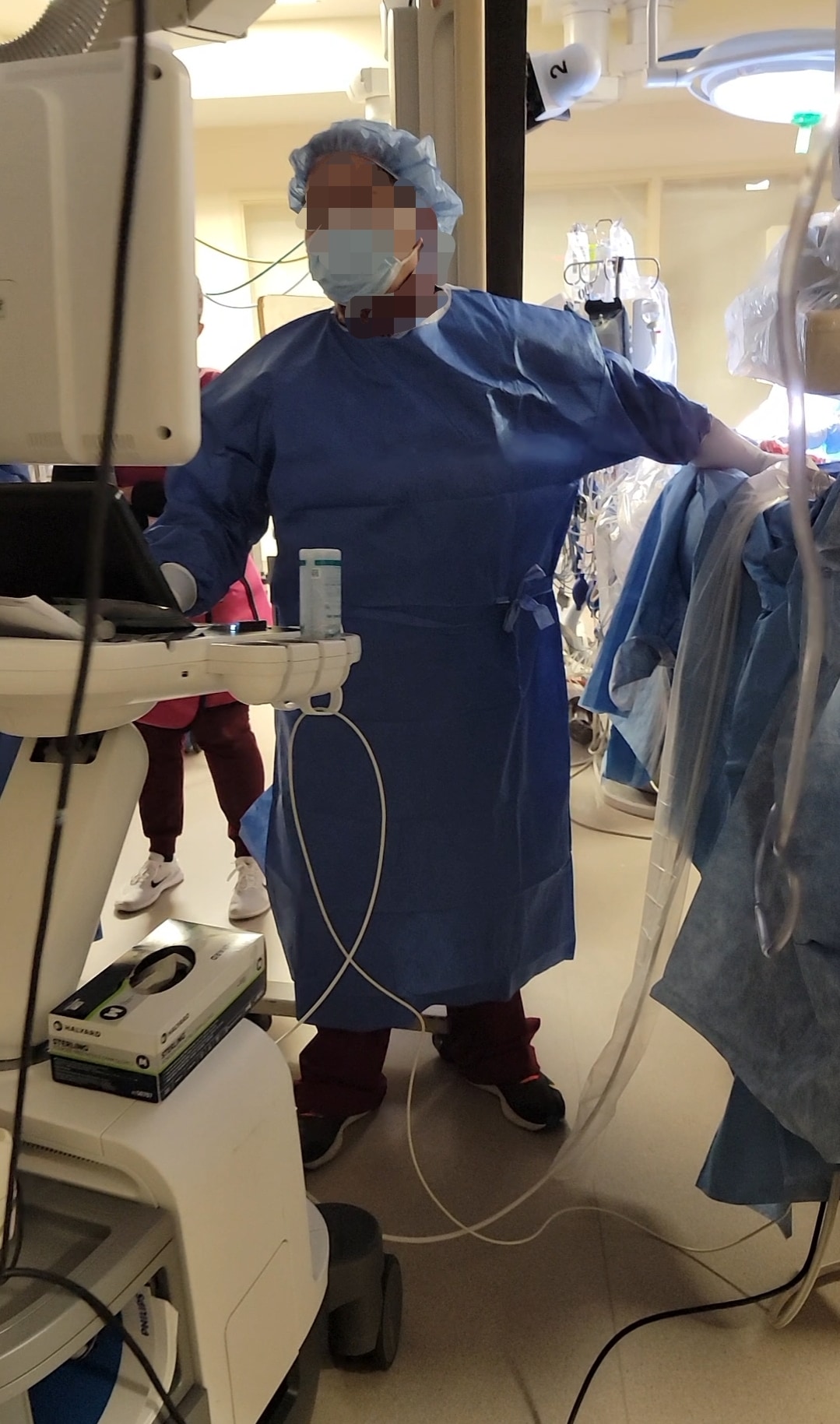
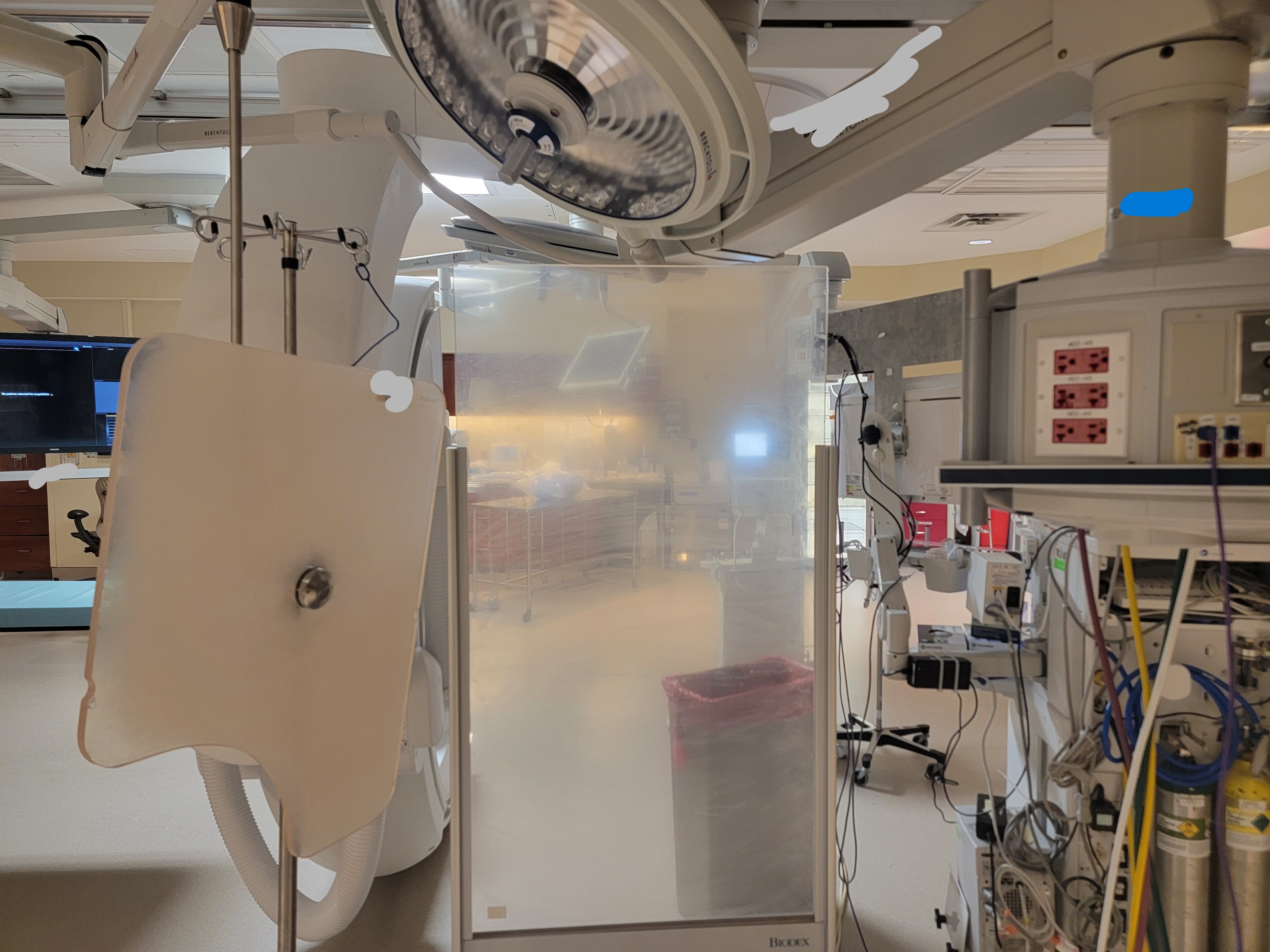
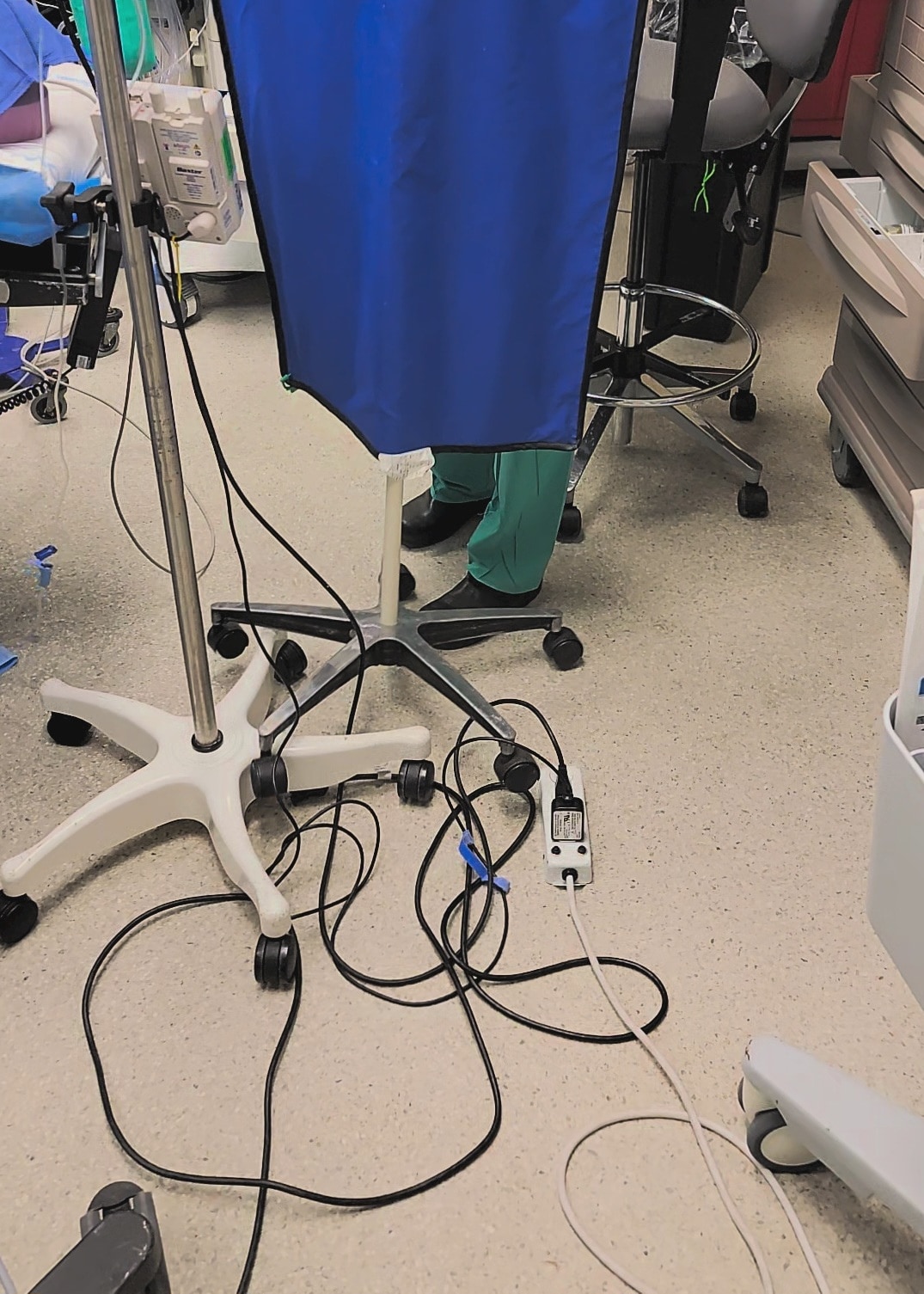
Radiation Exposure & Shielding Constraints
Imaging-heavy procedures can expose anesthesia, nursing, and technical teams to cumulative radiation risk, especially when shielding is difficult to position without blocking patient access or workflow.
6 field photos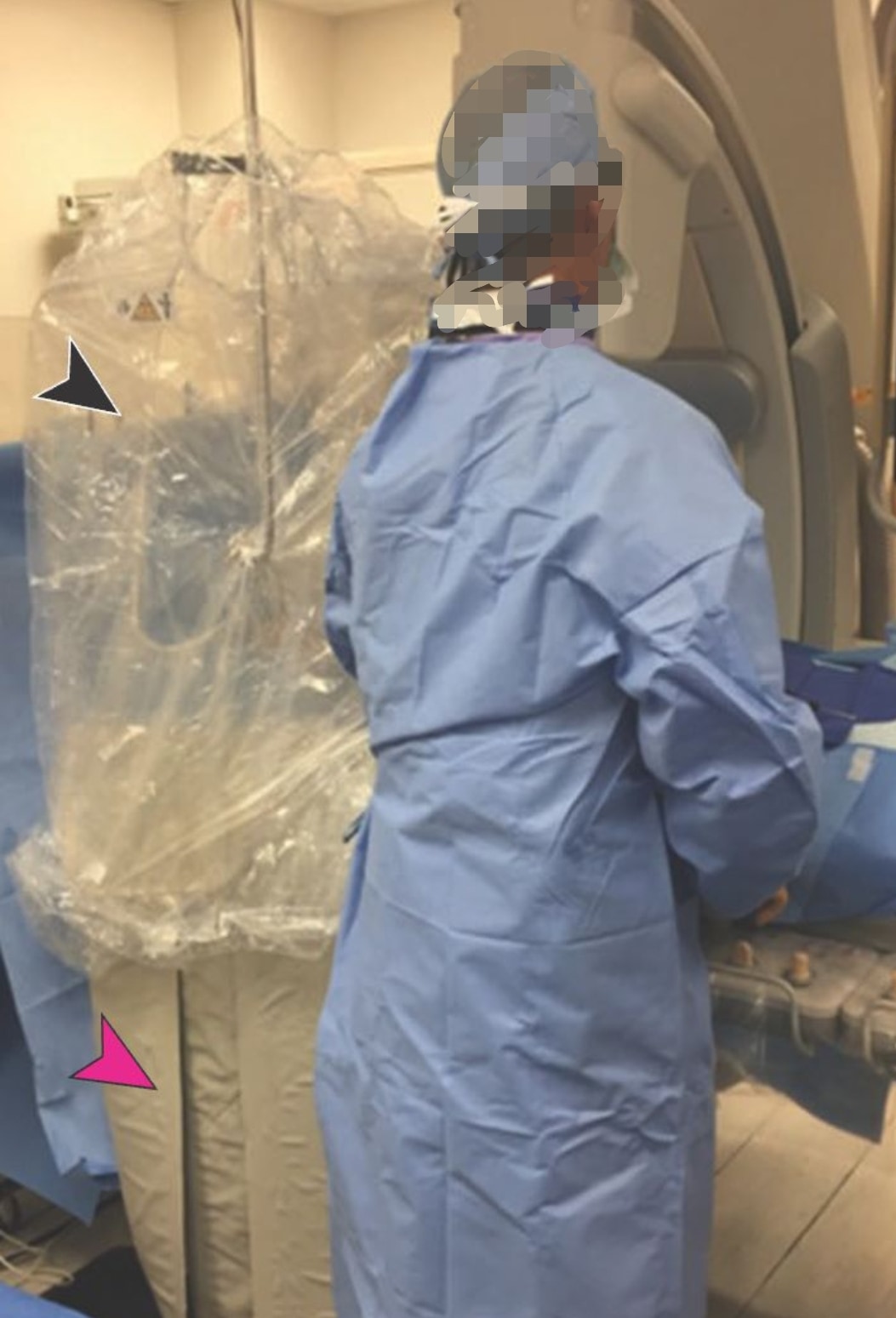
Noise, Alarms & Cognitive Fatigue
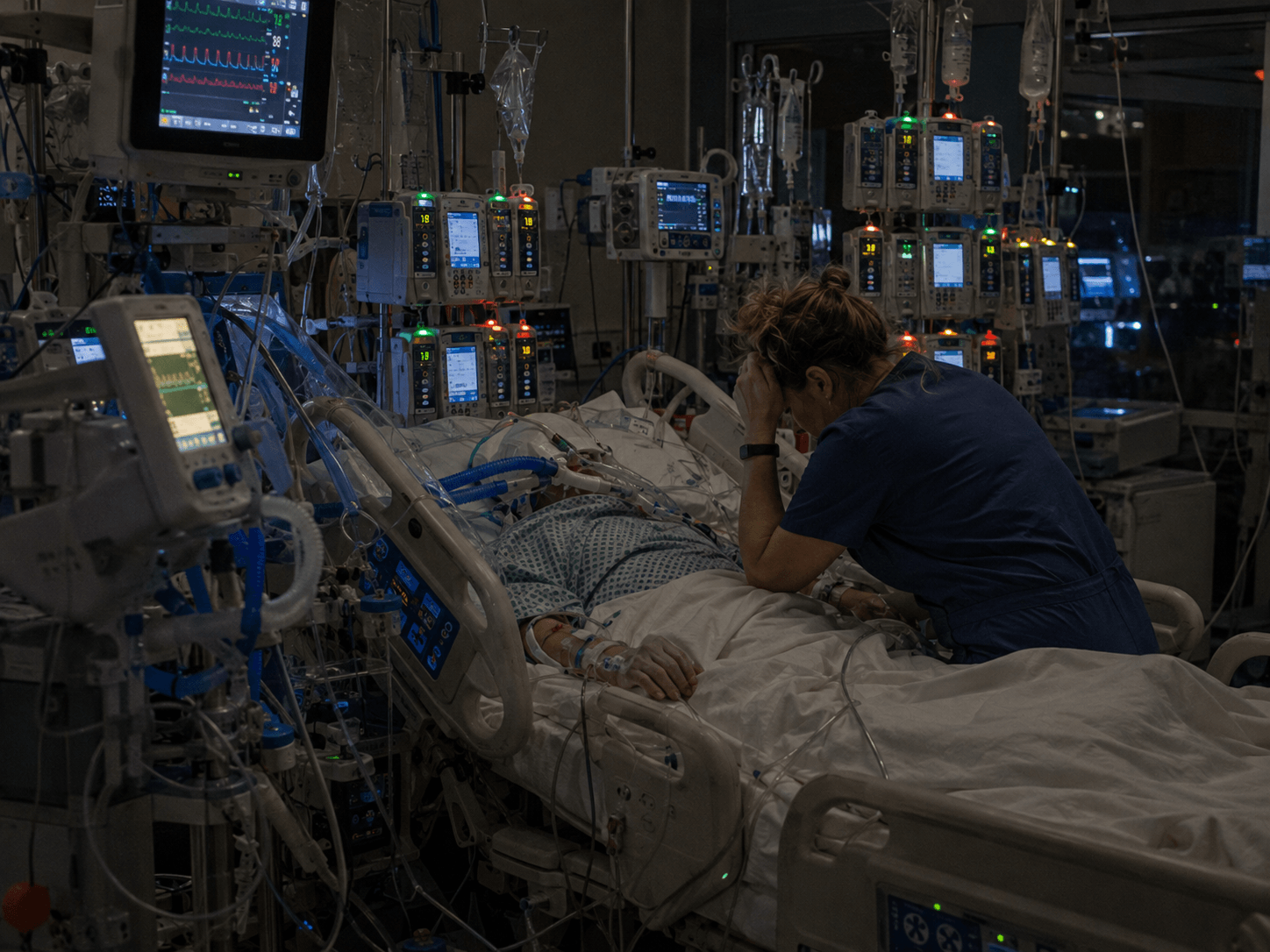
Multiple alarms, equipment noise, suction, ventilation, procedural activity, and conversation can create sustained acoustic overload, increasing cognitive load, fatigue, communication friction, and missed-signal risk.
6 field photos.d0e0a203.png&w=3840&q=92)
.942ea2f5.png&w=3840&q=92)
.c7702257.png&w=3840&q=92)
.dabc506b.png&w=3840&q=92)
.fe4dfa41.png&w=3840&q=92)
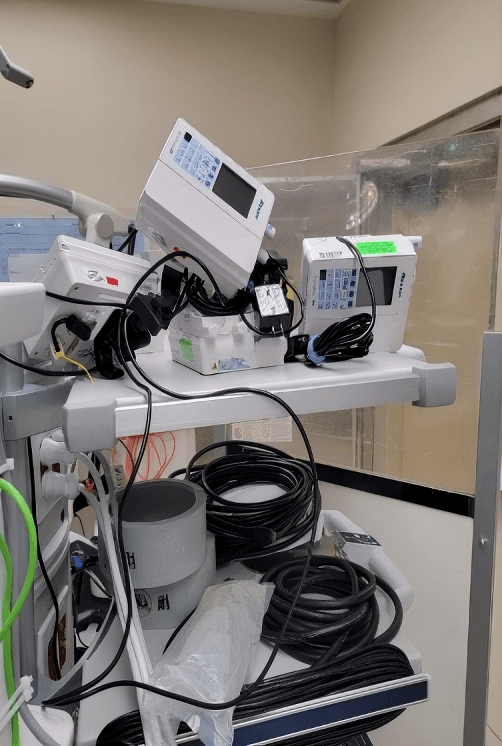
Overhead Equipment & Head-Strike Risk
Ceiling booms, monitors, lights, shields, and suspended equipment often compete with staff movement around the patient and can cause head strikes, ergonomic strain, distraction, and delayed access.
3 field photos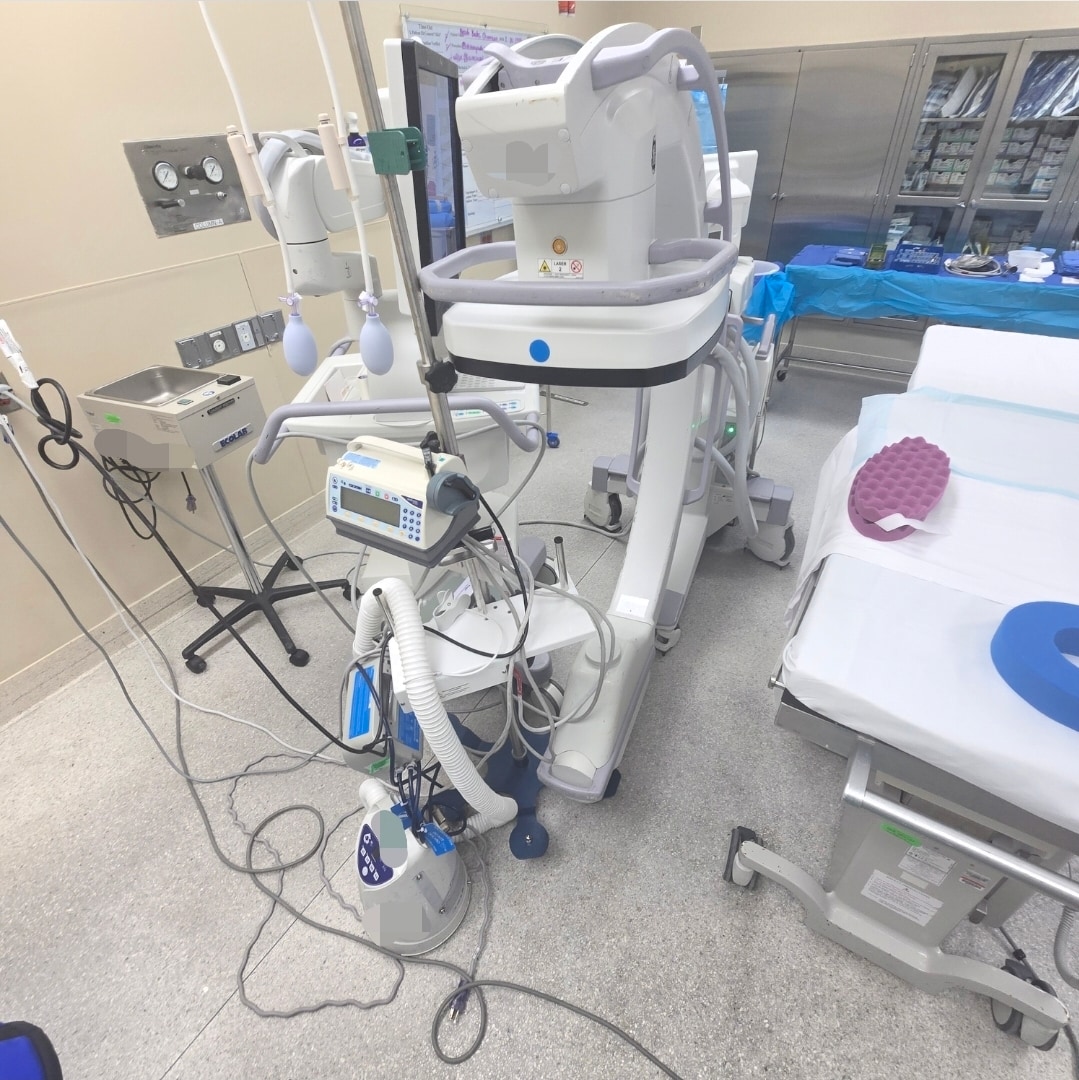
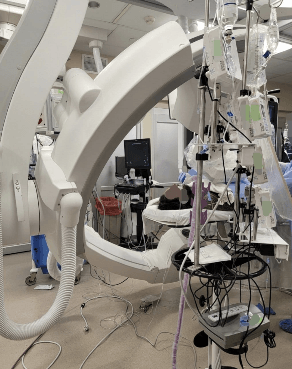
Human Factors & Workflow Friction
Explore Next